
Medi-Cal Changes:
What You Need to Know
State and federal policy changes are impacting Medi-Cal eligibility, enrollment, and benefits across California. However, most Medi-Cal members will experience no changes to their benefits at this time, as most changes are expected to occur later this year or next year. Members may continue to access medical care, prescriptions, mental health services, preventative care, dental and vision services, long-term care, and transportation to medical appointments.
Review the information below to understand how these updates may affect you or your family and what steps you may need to take to maintain coverage. This guidance is current as of May 8, 2026.
Major Changes Starting in 2026
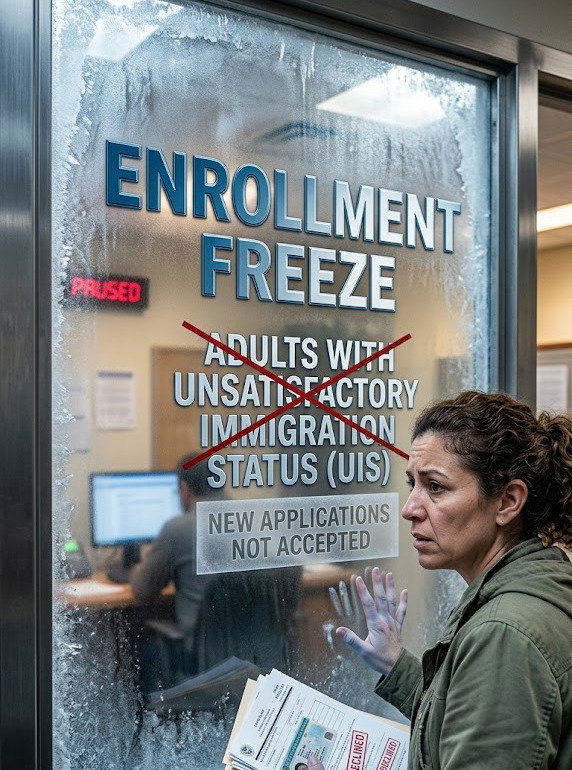
Enrollment Freeze for Adults with Unsatisfactory Immigration Status (UIS)
As of January 1, 2026, California has stopped new enrollment in full-scope Medi-Cal coverage for adults ages 19 and older who have an unsatisfactory immigration status (UIS). Please see Immigration Status Categories chart to see if you are subject to the Adult Expansion Enrollment Freeze.
Who is affected:
- Adults 19+ who are not pregnant and do not have satisfactory immigration status
What this means:
- New applicants will no longer qualify for full-scope Medi-Cal
- They may still qualify for restricted-scope Medi-Cal, which covers emergency, pregnancy-related, and long-term care services
Who is NOT affected:
- Children under 19
- Pregnant people, including one year postpartum, regardless of birth outcome
- People already enrolled in full-scope Medi-Cal
Important:
- Anyone enrolled in Medi‑Cal before January 1, 2026, can stay on it regardless of immigration status, as long as they complete renewals on time and meet eligibility rules like income and California residency.
Reinstated Asset Limits
As of January 1, 2026, California will again consider what you own (your assets) when determining Medi-Cal eligibility.
Asset limit:
- $130,000 for one person
- Add an additional $65,000 for each additional household member
What counts as assets:
- Bank accounts, cash, stocks, and additional property or vehicles
What does NOT count:
- Your primary home
- One vehicle
- Household items
- Some savings (like retirement accounts)
Who this applies to:
- Older adults (65+)
- People with disabilities
- People that live in a nursing home
- People that are in a family that makes too much money to qualify under federal tax rules.
Important:
- New applicants must report assets when applying
- Current members will report assets at their next renewal


Full-Scope Dental Freeze
Starting July 1, 2026, some adults who do not have Satisfactory Immigration Status will no longer receive full-scope dental benefits through Medi-Cal. Please see Immigration Status Categories chart to see if you are subject to changes to Dental Coverage.
Who is affected:
- Adults 19+ who do not have satisfactory immigration status,
What this means:
- Routine dental services may no longer be covered
- Emergency dental services will still be covered
Important:
- Many groups will continue to receive full dental coverage, including children under 19 and pregnant individuals.
Eligibility Changes for Federally-Funded Medicaid
Starting October 1, 2026, the federal government will change how it classifies some immigration statuses.
Who is affected:
- A refugee or asylee – someone who left their home country for safety and don’t yet have a Green Card
- A humanitarian parolee – someone allowed into the U.S. for urgent reasons for at least one year
- A survivor of domestic violence or human trafficking, and you have a pending status
What this means:
- Details on how this policy will be implemented in California will be available soon.

Major Changes Starting in 2027

Work Requirements
Starting January 1, 2027, some adults will need to work or volunteer or go to school to keep Medi-Cal coverage. If this applies to you, your county Medi-Cal office will send you a letter.
Who is affected:
- Adults ages 19-64 who are eligible for Medi-Cal because of the Affordable Care Act expansions, and don’t meet any of the exemptions. Please see exemptions listed under Work Rules.
What this means:
- Members must do one or more of the following:
- Work at a job and get paid.
- Earn at least $580 a month from working.
- Be a seasonal worker (someone who only works during certain times of the year) and make an average of $580 a month over the last six months.
- Be in a job training program (that helps you learn skills to get a job) for at least 80 hours per month.
- Volunteer or do community service for at least 80 hours per month. This should be organized and something you can prove you did with a letter or form.
- Go to school at least half-time. This usually means taking two or three classes or about six to eight credits each semester.
- Do a mix of the things listed above for a total of at least 80 hours per month, or at least $580 per month.
Important:
- If you are required to work or volunteer under these new rules you should respond quickly to show compliance.
- If you are required to work or volunteer under these new rules and do not meet the rules, you could lose your Medi-Cal.
Six-Month Eligibility Checks
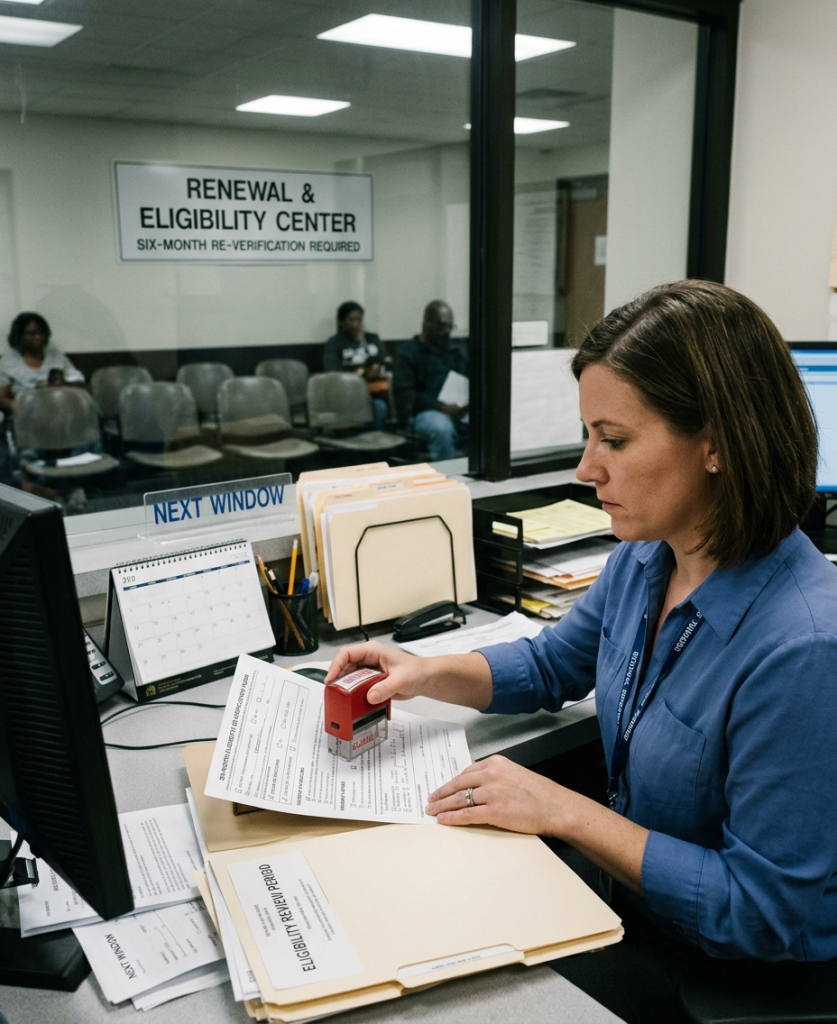
Starting January 1, 2027, some Medi-Cal members will be required to renew their coverage every 6 months instead of once per year.
Who is affected:
- Most adults ages 19-64 who do not have a disability and do not have children 18 or younger in the household
What this means:
- You will need to complete renewals twice a year
- You must respond to Medi-Cal notices more often
- Missing deadlines could result in loss of coverage
Who is NOT affected:
- Members in a Medi-Cal program that is not under the Affordable Care Act new adult group
- Pregnant people, including one year postpartum, regardless of birth outcome
- Alaska Native or American Indian members
- Former foster youth under age 26, who were in foster care on their 18th birthday
Important:
- Keeping your contact information up to date and responding to renewal requests on time will help you avoid gaps in coverage.
What You Should Do Now

Keep your contact information updated with Medi-Cal

Open and respond to all mail or messages from your county

Complete renewals on time to avoid losing coverage

Reach out to your local Medi-Cal office with any questions by visiting:
https://www.dhcs.ca.gov/services/medi-cal/Pages/CountyOffices.aspx